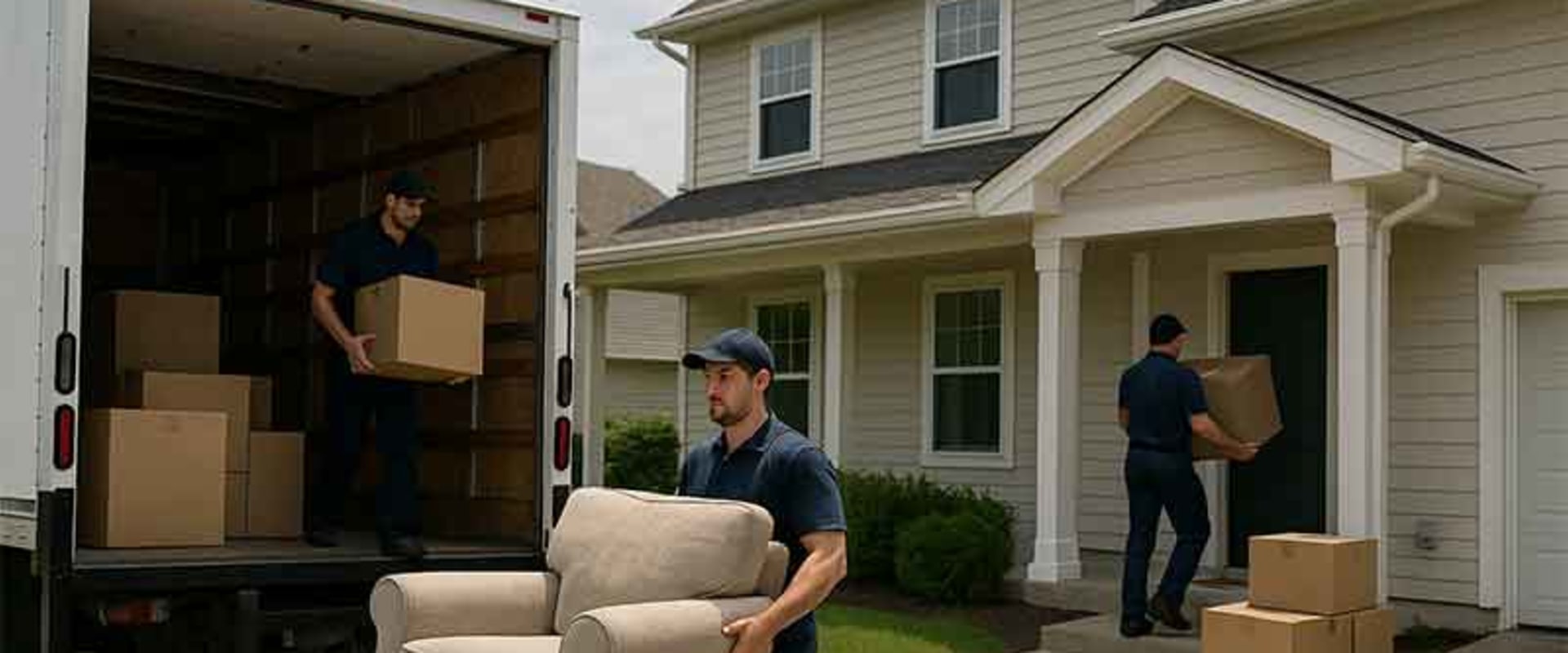
When it comes to moving, the physical and emotional toll can be significant.
Tipping movers
is not just a customary practice; it serves as a vital acknowledgment of the hard work and dedication that these professionals put into ensuring your belongings are transported safely and efficiently. Understanding the importance of tipping movers goes beyond mere etiquette; it reflects your appreciation for their labor-intensive efforts during a stressful time. Movers often face challenging conditions, from heavy lifting to navigating tight spaces, all while maintaining a positive attitude. By offering a tip, you are not only rewarding their hard work but also fostering a sense of goodwill.This gesture can enhance the overall experience for both you and the movers, creating a more pleasant atmosphere during what can often be a chaotic day. Moreover, tipping can motivate movers to go above and beyond in their service, ensuring that your move is as smooth as possible. In many cases, tipping is considered part of moving etiquette, especially in the United States. It signals respect for the skills and effort that movers bring to the table. While some may wonder why they should tip at all, it's essential to recognize that these professionals rely on tips as a significant portion of their income.
Therefore, understanding how to calculate an appropriate tip not only helps you express gratitude but also supports those who work tirelessly behind the scenes to make your transition seamless.
Factors to Consider When Calculating a Tip for Movers
When determining how much to tip your movers, several factors come into play that can significantly influence the final amount. Understanding these elements will help you make a fair and informed decision.- Complexity of the Move: If your move involves heavy or bulky items, such as pianos or large furniture, or if there are multiple flights of stairs, you may want to consider tipping more. The physical demands placed on movers in these situations warrant additional compensation.
- Distance: The distance between your old and new home can also affect the tip. Longer moves may require more time and effort, which could justify a higher tip.
- Number of Movers: The size of the moving crew is another important factor.
If you have a larger team working on your move, you might choose to distribute a larger total tip among them, rather than tipping each mover individually.
- Overall Service Quality: Pay attention to how the movers handle your belongings and their professionalism throughout the process. If they are punctual, courteous, and take extra care with your items, it’s a good indication that they deserve a generous tip.
- Time Taken: Consider how long the move takes. If the movers finish ahead of schedule while still providing excellent service, this could be a reason to increase your tip.
Ultimately, tipping is a personal decision that reflects your satisfaction with their service.
Standard Tipping Rates for Movers
When it comes to tipping movers, understanding the standard tipping rates can help you determine what is fair and appropriate. Generally, the industry standard suggests tipping between 15% to 20% of the total moving cost. However, this percentage can vary based on several factors, including the complexity of the move, the distance traveled, and the level of service provided.Flat Rate Tipping
- For local moves, a common practice is to tip around $20 to $30 per mover.
- If your move involves heavy lifting or special items (like pianos or antiques), consider increasing the tip to $40 per mover.
Percentage-Based Tipping
- If you prefer to tip based on the total cost of your move, aim for 15% to 20%. For example, if your moving bill is $1,000, a tip of $150 to $200 would be appropriate.
- For larger moves or those that require more time and effort, tipping closer to 20% may be warranted.
Factors Influencing Your Tip
- Quality of Service: If the movers are punctual, professional, and handle your belongings with care, consider tipping on the higher end.
- Duration of the Move: Longer moves may justify a higher tip due to the increased effort and time involved.
- Weather Conditions: If your move takes place in extreme weather conditions, a larger tip can show appreciation for their hard work.
A thoughtful tip not only rewards hard work but also fosters goodwill in an often stressful situation.
How to Calculate Your Tip Based on Move Type
When it comes to calculating a tip for movers, understanding the type of move is crucial. Different scenarios can influence how much you should tip, so let’s break it down.Residential vs. Commercial Moving Tips
For residential moves, a common guideline is to tip between 15% to 20% of the total moving cost. For example, if your move costs $1,000, a tip of $150 to $200 is appropriate.This percentage reflects the personal nature of residential moves, where movers often handle your belongings with care and attention.In contrast, commercial moves may warrant a different approach. Since these moves are typically larger and more complex, consider tipping a flat rate per mover instead. A good rule of thumb is to offer $20 to $30 per mover for a full day’s work. This method acknowledges the scale and effort involved in moving office equipment and furniture.
Local vs.
Long-Distance Mover TipsThe distance of your move also plays a significant role in determining your tip. For local moves, where the movers are likely to complete the job in a few hours, sticking to the 15% to 20% guideline is effective. However, for long-distance moves, which can take several days and involve more logistics, consider tipping based on the level of service provided. A flat rate of $50 to $100 per mover can be more suitable here, especially if they go above and beyond in ensuring your items arrive safely.Ultimately, the best way to calculate your tip is by considering the quality of service, the complexity of your move, and your overall satisfaction with the process.
Always feel free to adjust based on your experience!
Additional Considerations for Tipping Movers
When it comes to tipping movers, there are several additional considerations that can influence your decision. Understanding these factors can help you navigate the complexities of tipping and ensure that your appreciation is communicated effectively.When Not to Tip Movers
While tipping is generally a way to show gratitude for good service, there are circumstances where you might consider not tipping:- Poor Service: If the movers were unprofessional, careless with your belongings, or failed to meet agreed-upon timelines, it may be appropriate to withhold a tip.
- Company Policy: Some moving companies have strict policies against tipping. Always check with the company beforehand to avoid any misunderstandings.
- Injuries or Damage: If your items were damaged during the move due to negligence, it’s reasonable to reconsider your tipping decision.
Special Circumstances for Tipping Movers
There are also special circumstances that may warrant a higher tip or additional consideration:- Unexpected Challenges: If the move involved unexpected challenges, such as navigating narrow staircases or inclement weather, consider increasing your tip as a recognition of their hard work.
- Last-Minute Changes: If you had to make last-minute changes that complicated the move, such as adding extra items or changing locations, a larger tip can reflect your appreciation for their flexibility.
- Exceptional Service: If the movers went above and beyond—such as providing extra care for fragile items or working longer hours than anticipated—consider rewarding them with a higher tip.
Common FAQs About Tipping Movers
When it comes to tipping movers, many people have questions about the best practices and common concerns.Here are some frequently asked questions that can help clarify the tipping process.
- Should I tip in cash or through a credit card?Most experts recommend tipping in cash. While some moving companies may allow you to add a tip to your credit card payment, cash is often preferred as it allows the movers to receive their tips immediately. This can be especially important if you want to ensure that the movers feel appreciated right after the job is done.
- How much should I tip if I have a large moving crew?If you have a larger crew, consider tipping each mover individually. A good rule of thumb is to tip between $20 to $30 per mover for a half-day job and $40 to $60 for a full day.
Adjust this based on the quality of service and the complexity of your move.
- What if I’m not satisfied with the service?If you feel that the service was lacking, it’s okay to adjust your tip accordingly. However, consider discussing any issues with the moving company first, as they may be able to address your concerns and improve your experience.
- Is it customary to provide food and drinks for movers?Yes, providing refreshments such as water, soda, or snacks is a thoughtful gesture that can go a long way in showing appreciation for their hard work. It’s not mandatory but is often appreciated, especially during long moves.
Conclusion: Making the Right Choice When Tipping Movers
In conclusion, understanding how to calculate a tip for movers is essential for ensuring that you show appreciation for their hard work and dedication.Throughout this article, we have explored various factors that influence tipping, including the complexity of your move, the quality of service provided, and regional tipping norms.When determining the appropriate amount to tip, consider the following key points:
- Service Quality: Evaluate how well the movers handled your belongings, their professionalism, and their efficiency. Exceptional service deserves a higher tip.
- Move Complexity: If your move involved heavy lifting, navigating stairs, or tight spaces, it’s fair to increase your tip to reflect the extra effort required.
- Duration of the Move: Longer moves may warrant a larger tip. A common guideline is to tip between 15% to 20% of the total moving cost.
- Regional Differences: Be aware that tipping practices can vary by location. Research local customs to ensure your tip aligns with community standards.
A thoughtful tip can go a long way in expressing gratitude and encouraging excellent service in the future. Remember that while there are general guidelines, your personal experience and satisfaction should guide your final decision.By keeping these considerations in mind, you can confidently approach the tipping process and make a choice that reflects both your appreciation and the quality of service received during your move.