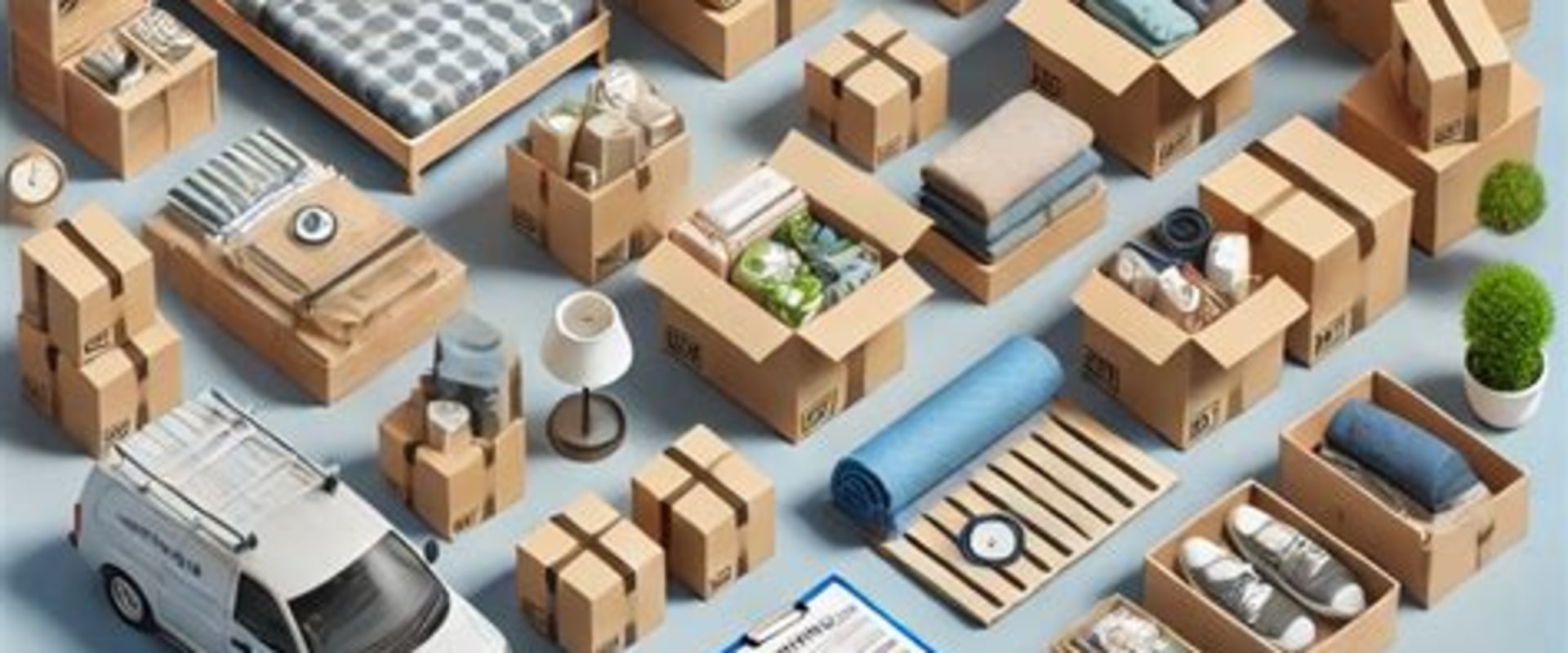
Moving can be an exhilarating yet daunting experience, filled with a myriad of challenges that can test even the most organized individuals. Among these challenges, packing stands out as one of the most significant hurdles, particularly when it comes to determining which room is the hardest to pack. Each room in a home presents its own unique set of complexities, but understanding these intricacies is crucial for a smoother transition to your new space. As you embark on the packing journey, you may find that certain areas of your home are more challenging than others. For instance, the living room often contains bulky furniture and delicate items that require special attention, while the kitchen is filled with an array of utensils, appliances, and fragile dishware.
These packing difficulties can lead to stress and confusion if not approached with a clear strategy. By identifying the hardest room to pack, you can allocate your time and resources more effectively, ensuring that nothing is overlooked. Moreover, understanding the moving challenges associated with each room allows you to prepare mentally and physically for what lies ahead. Whether it’s dealing with heavy furniture or fragile collectibles, being aware of these potential obstacles can help you devise a plan that minimizes chaos and maximizes efficiency. In this article, we will delve deeper into the various rooms in your home, exploring their specific packing difficulties and offering tips to tackle them head-on.
The Living Room: A Hub of Complexity
Packing the living room can often feel like a daunting task due to its diverse array of items.From bulky furniture to delicate decor, this space serves as a hub of complexity in any home. Understanding the challenges in living room packing is essential for a smooth moving experience.One of the primary challenges is the variety of furniture present in the living room. Sofas, chairs, coffee tables, and entertainment centers come in different shapes and sizes, making them difficult to maneuver through doorways and hallways. To tackle this, consider disassembling larger pieces whenever possible.
For instance, remove legs from tables and take apart sectional sofas to make them easier to transport.Another significant aspect is the presence of electronics. TVs, gaming consoles, and sound systems require special attention during packing. Here are some tips for packing electronics:
- Use original boxes: If available, use the original packaging for your electronics as they are designed to protect them during transit.
- Label cords: Use zip ties or labels to keep cords organized and prevent tangling.
- Wrap securely: Use bubble wrap or foam padding to protect screens and sensitive components.
- Use sturdy boxes: Choose boxes that can withstand weight and pressure for fragile items.
- Wrap carefully: Use packing paper or bubble wrap for delicate decor to prevent breakage.
- Organize by category: Group similar items together to make unpacking easier at your new home.
By focusing on disassembly, careful wrapping, and organization, you can ensure that your living room essentials are packed efficiently and arrive at your new home intact.
The Kitchen: A Packing Nightmare
Packing the kitchen can feel like a daunting task, and for good reason. It’s often considered the hardest room to pack when moving due to the sheer volume of items, the variety of materials, and the presence of fragile goods. From delicate glassware to bulky appliances, each item requires careful consideration.Fragile Items Packing
- Glassware: Start by wrapping each piece in bubble wrap or packing paper. Use a sturdy box and fill any empty spaces with crumpled paper to prevent movement.
- Dishes: Pack plates vertically rather than stacking them flat.
This method reduces the risk of breakage.
- Knives: Use knife guards or wrap them securely in towels to avoid accidents during the move.
Kitchen Appliances Moving
- Small Appliances: For items like toasters and blenders, remove any detachable parts and pack them separately. Use their original boxes if available, or find boxes that fit snugly.
- Large Appliances: When moving refrigerators or ovens, ensure they are cleaned and defrosted beforehand. Secure doors with tape and use moving blankets for protection.
Food Storage
Don’t forget about food items! Check expiration dates and discard anything that’s no longer good. For non-perishable items, consider packing them in a separate box labeled "Kitchen Essentials" to make unpacking easier at your new home.By employing these kitchen packing tips, you can streamline the process and minimize stress.
Remember, taking your time and being organized will pay off when you arrive at your new place and start unpacking your kitchen.
The Bedroom: Personal Items and Sentimental Value
Packing the bedroom can be one of the most challenging aspects of moving, primarily due to the personal items and sentimental value attached to many belongings. From clothing to keepsakes, each item often carries a story, making it difficult to decide what to keep and what to let go.Clothing Packing Strategies
When it comes to packing clothing, consider the following strategies:- Sort and Declutter: Before packing, go through your wardrobe and separate items into categories: keep, donate, and discard. This not only lightens your load but also helps you reassess what you truly need.
- Use Wardrobe Boxes: For delicate or hanging clothes, wardrobe boxes are a lifesaver. They allow you to transfer your clothes directly from the closet without folding, minimizing wrinkles.
- Roll Instead of Fold: Rolling clothes can save space and reduce creasing.
This method is particularly effective for casual wear and t-shirts.
- Pack Seasonal Items Separately: If you're moving during a season that doesn't require certain clothing (like winter coats in summer), pack these items separately and label the boxes clearly.
Packing Sentimental Items
Packing sentimental items requires a more thoughtful approach:- Create a Memory Box: Designate a box for keepsakes that hold special meaning. This could include photographs, letters, or gifts from loved ones. Ensure this box is easily accessible during the move.
- Document Your Items: Take photos of sentimental items before packing them away. This can help you remember their significance and make it easier to decide what to keep.
- Use Protective Packing Materials: For fragile keepsakes, use bubble wrap or packing paper to ensure they arrive safely at your new home.
Remember, moving is not just about transporting items; it's about preserving memories and making your new space feel like home.
The Bathroom: Small but Challenging
Packing the bathroom can often feel like a daunting task, despite its small size. The challenge lies in the variety of toiletries, cleaning supplies, and personal items that accumulate over time. To ensure a smooth transition, it’s essential to approach this task with a well-thought-out plan.Start with a Declutter
Before you begin packing, take the time to declutter your bathroom. Go through your cabinets and drawers to identify items you no longer use or need.Discard expired products, such as medications and cosmetics, and consider donating unused items that are still in good condition.
Organizing Toiletries
When it comes to packing toiletries, organization is key. Use small boxes or zippered bags to group similar items together. For example:- Skincare products: Place all creams, serums, and lotions in one bag.
- Hair care: Bundle shampoos, conditioners, and styling products together.
- Makeup: Keep cosmetics in a separate container to avoid spills.
Packing Cleaning Supplies
Your bathroom cleaning supplies can also be tricky to pack. To prevent leaks and spills:- Seal bottles tightly and place them in plastic bags.
- Avoid mixing different types of cleaners to prevent chemical reactions.
- Label each bag clearly for easy identification.
Final Touches
As you prepare for the move, consider creating a bathroom essentials kit.This kit should include items you’ll need immediately upon arrival at your new home, such as:
- Toilet paper
- Soap
- Towels
- A toothbrush and toothpaste
The Garage: Tools and Equipment Packing Dilemmas
Packing the garage can often feel like a daunting task, primarily due to the variety of tools and equipment that accumulate over time. From gardening supplies to power tools, each item requires careful consideration to ensure safe transport and organization.Organizing Your Tools
Before you start packing, take the time to organize your tools. Group similar items together, such as hand tools, power tools, and gardening equipment. This not only makes packing easier but also helps you keep track of everything when you arrive at your new home.Essential Packing Tips
- Use Sturdy Boxes: Choose heavy-duty boxes for your tools.
Avoid using flimsy containers that may break during transit.
- Wrap Sharp Edges: For tools with sharp edges, such as saws or chisels, wrap them in bubble wrap or old towels to prevent injury and damage.
- Label Everything: Clearly label each box with its contents and the room it belongs to in your new home. This will save you time when unpacking.
Outdoor Equipment Considerations
If you have outdoor equipment like lawnmowers or bicycles, consider the following:- Drain Fluids: For gas-powered equipment, drain any fuel or oil to prevent leaks during transport.
- Disassemble When Possible: If you can disassemble larger items like bicycles or patio furniture, do so to save space and reduce the risk of damage.
Comparing the Challenges: Which Room is Truly the Hardest?
When it comes to moving, each room in a home presents its own unique set of challenges.To determine which room is the hardest to pack, we can compare the packing difficulty of various spaces based on several factors such as the volume of items, fragility, and organization.
Living Room
The living room often contains a mix of large furniture, electronics, and decorative items. The challenge here lies in the fragility of items like glass coffee tables and delicate decor. Additionally, the sheer volume of items can make packing time-consuming.Kitchen
The kitchen is frequently cited as one of the hardest rooms to pack due to its combination of fragile dishes, bulky appliances, and numerous small items. Packing dishes requires careful wrapping to prevent breakage, while appliances like microwaves and blenders can be cumbersome to handle.Bedroom
While bedrooms may seem straightforward, they often contain a variety of personal items that require special attention.Clothing can be packed relatively easily, but items like jewelry and sentimental belongings need careful organization to avoid loss or damage.
Bathroom
The bathroom presents its own challenges with numerous small items and potential for spills. Toiletries and medications must be packed securely to prevent leaks, making this room deceptively difficult.Packing Difficulty Ranking
- 1.Kitchen: High fragility and variety of items make it the hardest.
- 2.Living Room: Large furniture and delicate decor add complexity.
- 3.Bedroom: Personal items require careful handling.
- 4.Bathroom: Small items and potential spills create challenges.
Frequently Asked Questions About Packing Difficulties
When it comes to moving, many people have questions about the packing process and the challenges that come with it. Here are some frequently asked questions that can help you navigate your own moving experience.What are the hardest items to pack?
Some of the most challenging items to pack include:- Fragile items: Glassware, ceramics, and electronics require special care and packing materials.
- Large furniture: Disassembling and wrapping bulky pieces can be time-consuming and requires proper tools.
- Artwork and mirrors: These need protective coverings to prevent damage during transit.
- Appliances: Refrigerators, washers, and dryers often need professional help for safe packing and transport.
How can I make packing easier?
To simplify the packing process, consider these tips:- Start early: Begin packing non-essential items well in advance of your move date.
- Label boxes: Clearly mark each box with its contents and the room it belongs to for easier unpacking.
- Use quality packing materials: Invest in sturdy boxes, bubble wrap, and packing tape to protect your belongings.
- Seek help: Don’t hesitate to ask friends or hire professionals for assistance with difficult items.
What should I do with items I can't pack?
If you have items that are too large or difficult to pack, consider these options:- Selling or donating: If you no longer need certain items, selling or donating them can lighten your load.
- Storage solutions: Renting a storage unit can provide a temporary solution for items you can't take immediately.
- Professional movers: Hiring experts can ensure that even the most challenging items are handled safely.
Conclusion: Mastering Your Move by Understanding Packing Challenges
In conclusion, understanding which room is the hardest to pack can significantly ease the stress of moving.As we explored, the kitchen often emerges as the most challenging space due to its myriad of fragile items, appliances, and the need for careful organization. However, it’s essential to recognize that each room presents its own unique challenges.To master your move, consider these key strategies:
- Plan Ahead: Start packing well in advance. This allows you to tackle each room methodically and reduces last-minute chaos.
- Declutter: Before packing, take the time to sort through your belongings. Donate or discard items you no longer need, making the packing process more manageable.
- Use Quality Packing Materials: Invest in sturdy boxes, bubble wrap, and packing tape.
Proper materials can protect your items and make loading easier.
- Label Everything: Clearly label boxes by room and contents. This will save you time when unpacking and help you locate essential items quickly.
- Enlist Help: Don’t hesitate to ask friends or family for assistance. Having extra hands can make a significant difference in efficiency.
Remember, every successful move begins with a solid plan!.